
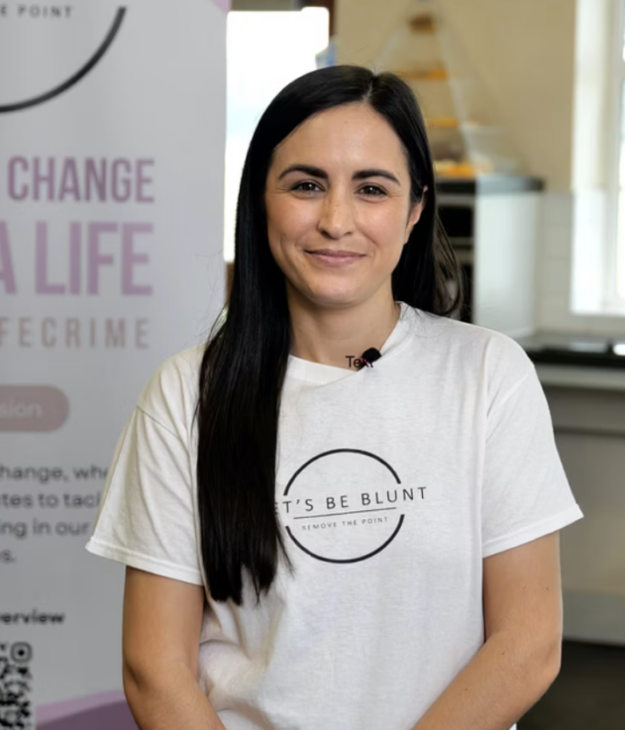
Let’s Be Blunt CIC was founded in 2025 with a clear and practical focus: preventing knife harm before it happens. Rather than responding after a crisis, the organisation looks at everyday risk, how knives are accessed, stored and used, and encourages proportionate changes that help keep people safer in homes, education settings and community organisations.
By combining lived experience with carefully researched, evidence-informed insight, Let’s Be Blunt supports individuals and organisations to make confident, informed decisions about safety. The aim is not to alarm, but to empower.

On 21 January 2026, Fosterplus colleagues and foster parents joined an online training session delivered by Let’s Be Blunt founder, Leanne. Hosting the session online meant we could bring together staff and foster families from across the country, making the conversation accessible wherever people live.
Seeing safety differently
Following the training, we began to look at health and safety checks in foster homes through a different lens, particularly in relation to the storage and use of knives.
This is not about creating fear. It is about understanding risk in a balanced way and taking sensible steps that make a real difference.
As a fostering agency, we are committed to creating homes where young people feel safe, supported and informed. Understanding what can lead to knife-related harm gives foster parents greater confidence in having calm, open conversations about safety.
Through Leanne’s research and her powerful personal insight, our teams explored:
- how everyday kitchen items can pose risk if not stored or considered carefully
- why certain knife designs increase the potential for harm
- how to safely dispose of unnecessary or higher-risk knives
- how to speak to young people about knife harm without shame, blame or stigma
The focus was always on practical action — small, achievable changes that reduce risk while maintaining a warm and welcoming home.
What this means for Fosterplus families
Since the training, staff and foster parents have reported feeling more informed and more confident in their approach. Rather than seeing knife safety as a tick-box exercise, it is now part of a broader conversation about responsibility, awareness and care.
We are strengthening the way we approach home safety checks by paying closer attention to:
- how knives and similar tools are stored
- who has access to them
- whether safer alternatives could be used
Most importantly, Fosterplus has made the pledge to encourage colleagues and fostering families to:
Replace pointed knives
Commit to replacing pointed kitchen knives with safer blunt-end alternatives that are just as effective for cooking.
Educate yourself and others
Learn about responsible knife use and storage, and share this knowledge to create a wider culture of awareness.
Be accountable
Take responsibility for all knives in the household. Know where they are stored and who can access them.
We will also encourage colleagues, foster parents and young people aged 18 and over to attend Let’s Be Blunt training every three years, ensuring this knowledge remains current and embedded in practice.
Find out more about Let’s Be Blunt CIC
If you would like to learn more about the work of Let’s Be Blunt CIC, explore their training, or make your own pledge towards safer knife practices, visit their website.
Let’s Be Blunt provides practical guidance, evidence-informed insight and proportionate steps that individuals, families and organisations can take to reduce everyday risk.
Speak to our team
Whether you’re ready to apply or just want to find out more, get in touch with us today
Enquiry
Please make sure you read our terms and conditions because you’re agreeing to them by submitting an enquiry. It’s also worth reading our privacy policy and cookies policy so you understand how we collect and use your personal data. This site is protected by reCAPTCHA and the Google Privacy Policy and Terms of Service apply.